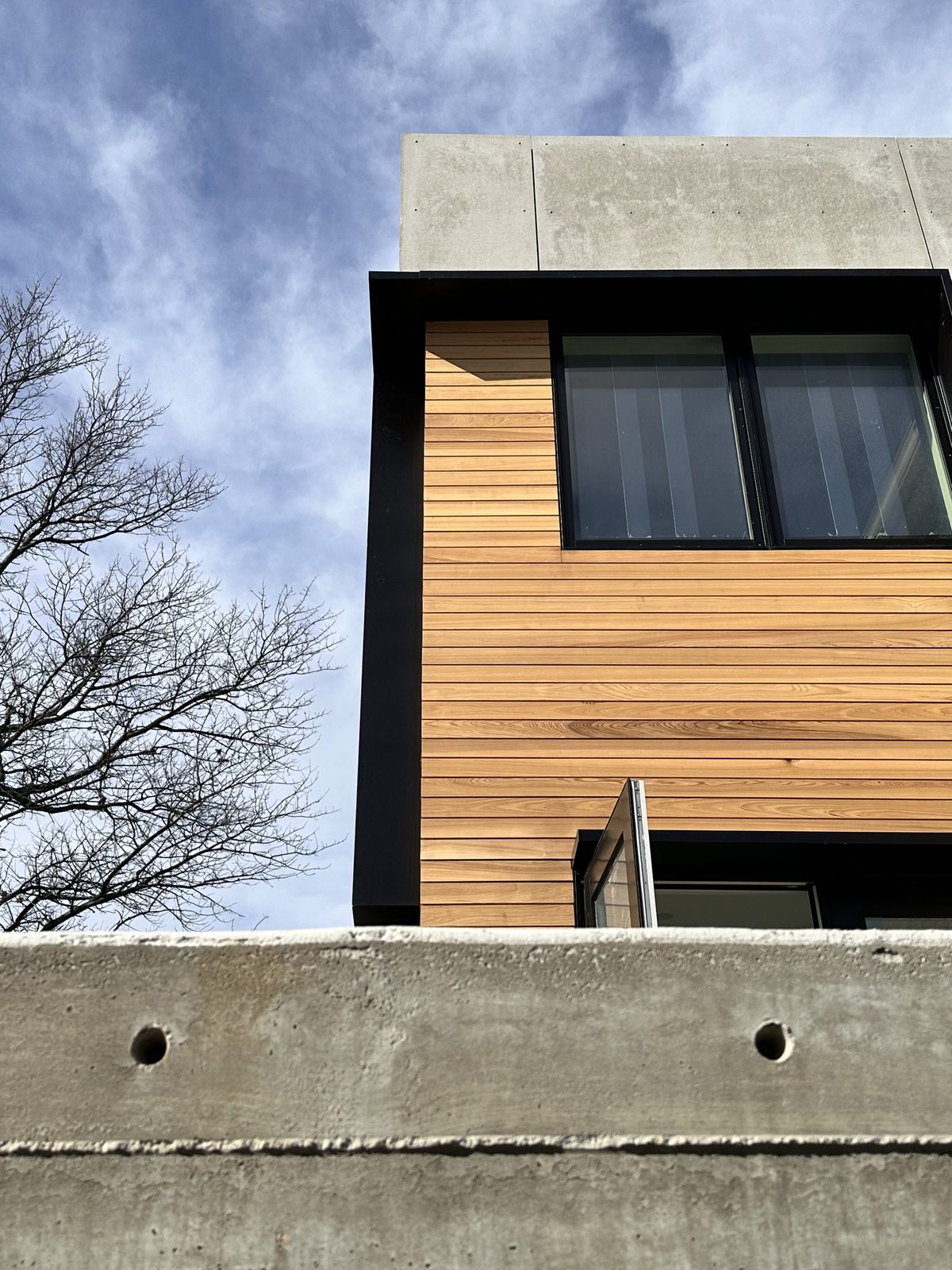
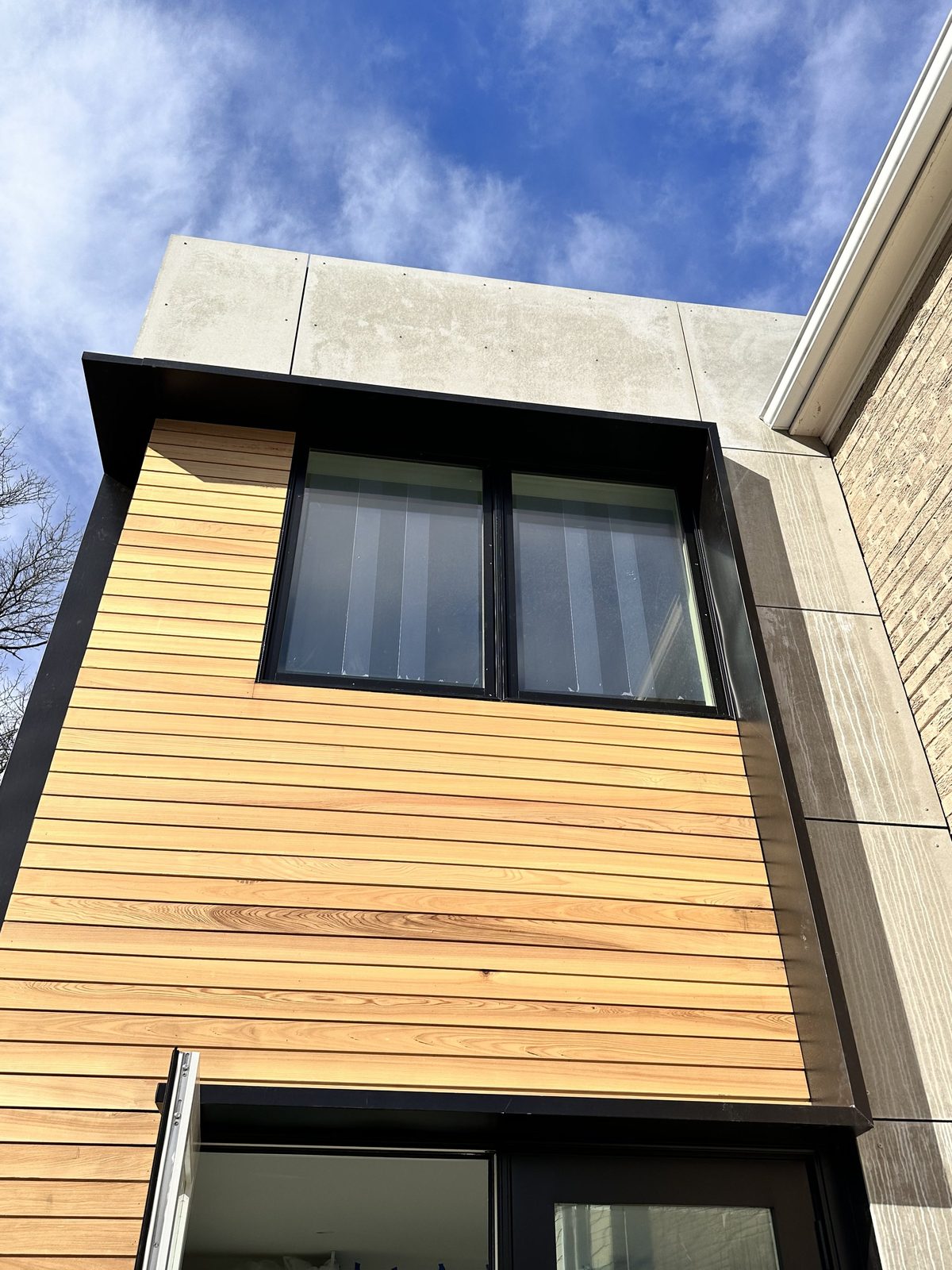
It is the most common assumption homeowners bring to a first meeting: that an addition has to look like the house it is attached to. Same siding, same trim, same window proportions, so that nobody can tell. It sounds like deference. Often it produces a building that is honest about nothing and comfortable in neither language.
What matching actually asks of you
To match convincingly you have to reproduce details that were cheap to make in 1930 and are expensive to make now, in materials that may no longer be milled the same way. Done well it is costly. Done at eighty percent it reads as a copy, and the eye finds the seam immediately.
There is also a question of honesty. A house tells you when it was built. An addition that pretends to be original asks the building to lie about its own history, and most people sense that even when they cannot name it.
The public face belongs to the street. The private face belongs to the people who live there.
Distinguish, then defer
The other approach is older than modernism and is written into preservation practice: new work should be compatible with the old but distinguishable from it. Compatible in scale, in rhythm, in how it meets the ground and the sky. Distinguishable in material and detail, so the story of the building stays legible.
That is not a licence to do anything. It is a harder discipline than matching, because it requires you to decide what the original house was actually good at and continue that, rather than copying its surface.
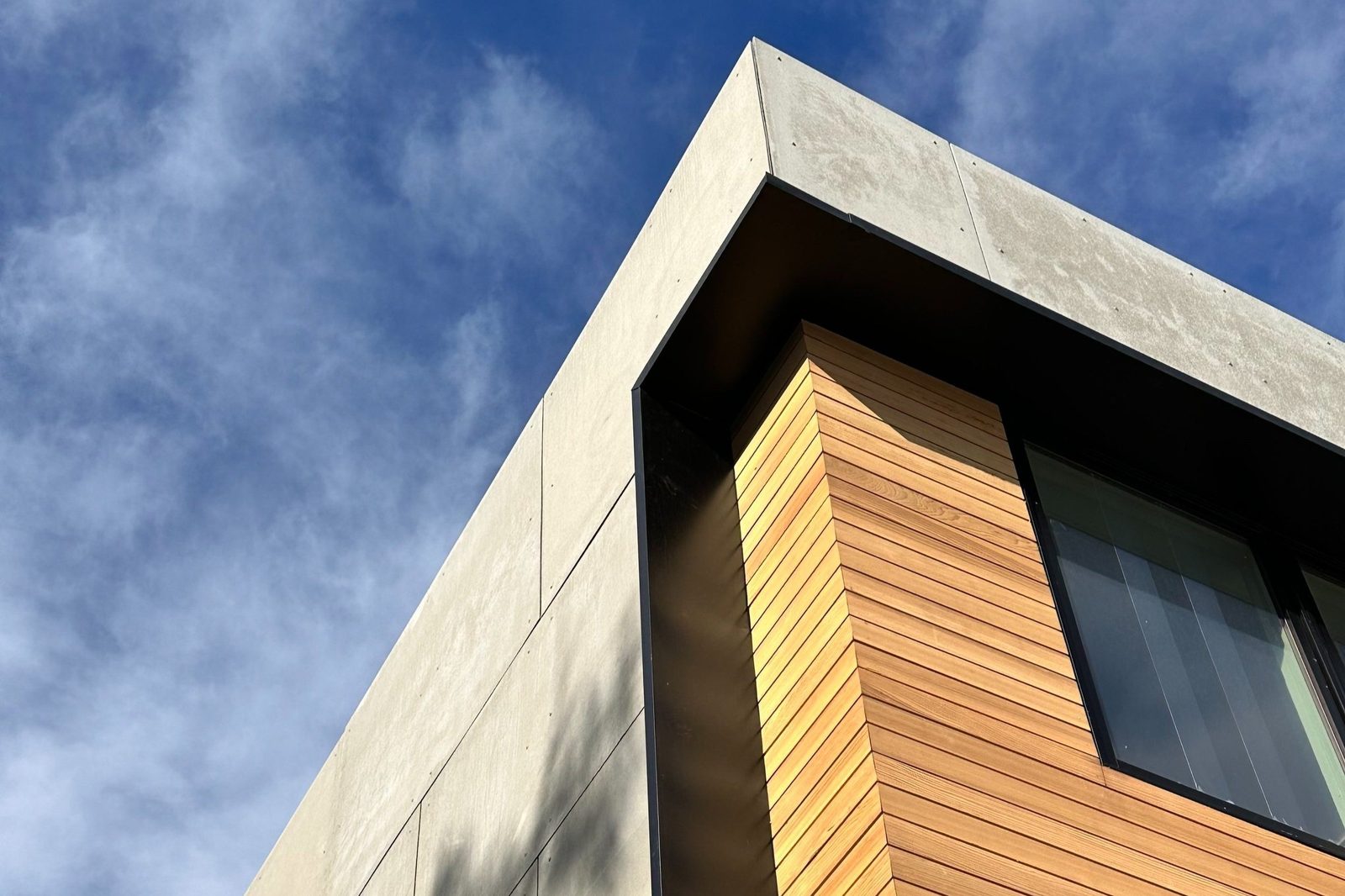
The front belongs to the street
On a small house in Del Ray, two floors were added across the back. The kitchen doubled. The primary bath pushed out into the new volume, which turned the old bathroom into closet and hallway and freed the original bath for two teenagers who had been sharing it with everyone.
From the street the house is a 1930s house on a 1930s block, subdued and neighbourly. From the garden it is something else entirely, and only a glimpse from the side lets on. The public face belongs to the street. The private face belongs to the people who live there.
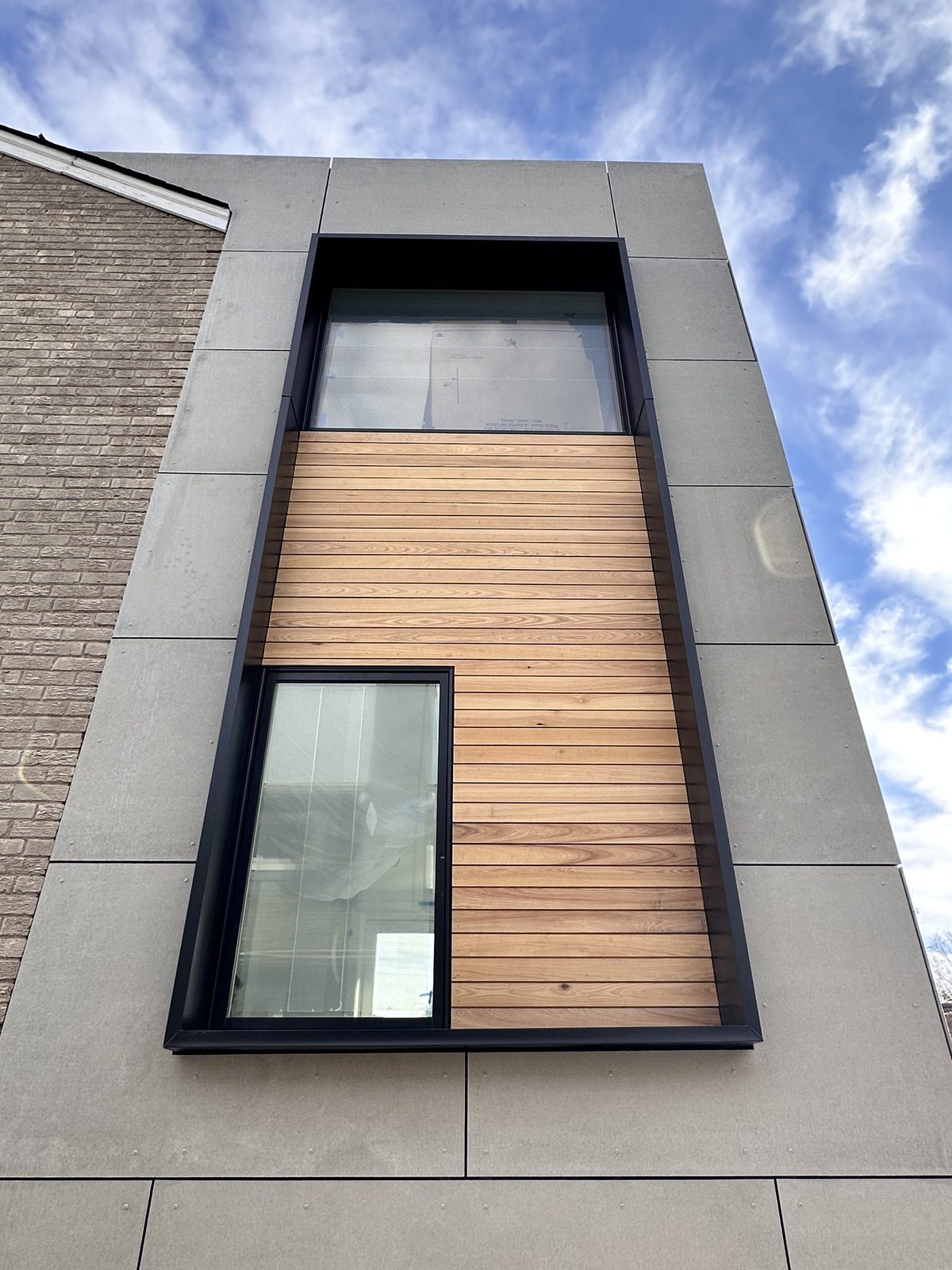
And a wall that does two things
The rear carries a large windowless surface, clad in a ventilated rainscreen. Through the day it maps the shadows of the trees across it. At night it is a projection screen, and the family that used to hang a sheet on the detached garage now watches films on the side of their own house.
Nobody briefs that. It emerged because a blank wall was necessary and the question became what else it could be.

